How to Fix Roof Hail Damage in Katy: DIY Steps & When to Call a Pro
Table of Contents
- Signs of Hail Damage on Roof Shingles
- Immediate Steps After Hail Damage to Your Roof
- How to Document Roof Damage for Insurance
- Temporary Roof Leak Repair After Hail
- Repair or Replace Hail-Damaged Roof: Making the Right Choice
- What You'll Need: Tools and Materials
- When to Call a Professional Roofer
- Frequently Asked Questions
Last Updated: October 18, 2026
Signs of Hail Damage on Roof Shingles
Roof hail damage isn't always obvious at first glance. Many homeowners miss early warning signs that lead to bigger problems down the road. The key is knowing what to look for before water starts leaking into your home.
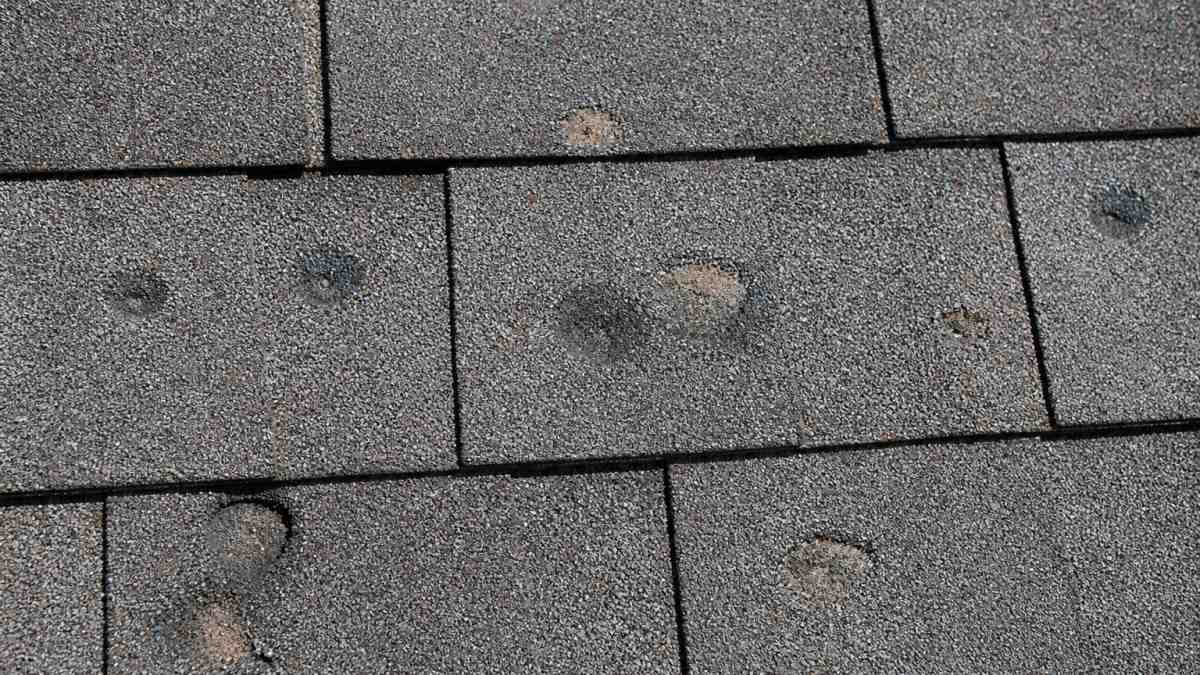
Look for these specific indicators of hail damage on roof shingles:
- Dents or divots in the shingle surface that feel soft or spongy
- Missing or exposed granules (the sandy coating on shingles)
- Cracked or split shingles with visible underlayment showing through
- Bruising that appears darker than the surrounding shingle area
- Punctures or holes in the shingle material
- Bent or curled shingle edges
The tricky part is that hail damage sometimes looks minor but compounds over time. A dent might seem harmless today. But when rain hits that spot repeatedly over months, water works its way into the layers beneath. That's when you get leaks, mold, and structural damage.
If you've experienced a storm recently, climb a ladder and inspect your roof from the ground with binoculars first. Look at the south and west-facing sides, which take the hardest hits. If you spot even a few damaged shingles, document it immediately and contact a professional roofer for a thorough assessment.
Immediate Steps After Hail Damage to Your Roof
The hours after a hailstorm are critical. What you do right now determines whether you catch the damage before it becomes expensive.
Step 1: Stay Safe and Assess from Ground Level
Don't rush onto your roof immediately. Hail storms often leave debris, broken branches, and unstable surfaces. Climb a ladder and use binoculars to examine shingles from the gutters.
Step 2: Check Your Attic for Water Intrusion
Go into your attic with a flashlight within 24 hours of the storm. Look for water stains, wet insulation, or daylight coming through the roof.
Step 3: Clear Debris from Gutters and Downspouts
Hail storms knock leaves, twigs, and granules into your gutters. Clogged gutters trap water against your roof and foundation. Clear them out completely. Make sure water flows freely away from your home.
Step 4: Document Everything with Photos
Take clear, dated photos of all visible damage. Shoot from multiple distances: wide shots showing the overall roof, medium shots showing damaged sections, and close-ups of individual damaged shingles. Include timestamps.
Step 5: Get a Professional Inspection
Call a certified roofer the same day if possible. At Roof Repair Company, we offer free storm and roof hail damage inspections for homeowners in Katy and across the Greater Houston area.
How to Document Roof Damage for Insurance
Insurance companies won't pay claims without solid evidence. Your documentation determines whether you get full coverage or nothing at all.
Create a Damage Report
Start with a written description. Note the date of the storm, the time it occurred, and weather conditions. Describe where on your roof the damage appears: north side, south side, near the peak, near the gutters.
Take Systematic Photos
Photograph your roof from multiple angles and distances:
- Wide exterior shots showing the entire roof
- Medium shots of damaged sections with surrounding context
- Close-ups of individual damaged shingles
- Photos of your attic interior if you found water stains
- Before-and-after comparisons if possible
Include a date stamp on every photo. Many phones do this automatically. If yours doesn't, write the date on a piece of paper and photograph it alongside the damage.
Get Professional Documentation
A roofer's inspection report carries significant weight with insurance adjusters. The report should include:
- Specific location of each damaged area
- Type and severity of damage
- Photographs taken by the professional
- Recommendations for repair or replacement
- Written summary of findings
When you work with Roof Repair Company for your how to document roof damage for insurance needs, we provide a comprehensive written summary of our findings. We can also attend your insurance adjuster meeting to explain the damage firsthand.
File Your Claim Promptly
Contact your insurance company within 48 hours of the storm. Most policies have time limits for filing. Provide your documentation package: photos, written description, and professional inspection report. Follow up with your adjuster regularly. Ask for their damage assessment in writing.
Temporary Roof Leak Repair After Hail
If you discover active leaks before your roof replacement, temporary repairs buy you time while you arrange permanent fixes.
Identify the Leak Source
Water doesn't always drip directly below the hole. It travels along rafters and follows the roof's slope. Go into your attic during or after rain. Look for water flowing down wood beams or dripping onto insulation. Mark the spot where water enters. Go outside and look directly above that spot on the roof surface.
Apply Temporary Sealant
For small holes or cracks:
- Clean the damaged area with a brush to remove debris and granules
- Apply roofing cement or waterproof sealant rated for your climate
- Smooth it out with a putty knife
- Allow it to cure per manufacturer instructions (usually 24 hours)
This isn't a permanent fix. It's a temporary barrier to prevent water from entering while you arrange professional repairs.
Use Roofing Tape for Quick Patches
Waterproof roofing tape works faster than sealant for temporary solutions:
- Clean and dry the damaged area completely
- Cut tape to size, overlapping the damage by at least 3 inches
- Press firmly, smoothing out air bubbles
- This holds for weeks but won't survive harsh weather long-term
Install Temporary Tarping
For severe damage affecting large roof sections:
- Secure heavy-duty plastic sheeting or tarps over the damaged area
- Use rope, bungee cords, or boards to hold it tight
- Ensure water can drain away from the roof edges
- Check the tarp regularly for tears or movement
Tarps are visible but effective. They prevent water from entering during rainstorms while you schedule permanent repairs.
What Not to Do
Never ignore active leaks. Water damage accelerates exponentially. Mold grows in attics within 48 hours of moisture exposure. Structural rot develops in weeks. What costs a few hundred dollars in temporary repair today becomes thousands in remediation tomorrow.
Repair or Replace Hail-Damaged Roof: Making the Right Choice
Not every hail-damaged roof needs replacement. Some situations call for targeted repairs. Others demand a full replacement. Understanding the difference saves you money.
When Repair Makes Sense
Localized damage to a few shingles or a small section warrants repair. If damage covers less than 10% of your roof and your shingles are relatively new (under 10 years old), repair is typically the right choice.
Repair costs depend on damage severity and shingle accessibility.
When Replacement Is Necessary
Your roof needs replacement if:
- Damage covers more than 25% of the roof surface
- Your shingles are already 15+ years old
- Multiple damaged areas exist across different roof sections
- The underlying roof deck shows damage or rot
- Your insurance adjuster recommends replacement
Replacement removes all old shingles and installs new ones. You get a fresh roof with a new warranty. For older roofs, replacement is often cheaper long-term than repeated repairs.
How to Decide
Get a professional inspection from a certified roofer. They measure damage extent, assess shingle age, and examine the roof deck. They'll recommend repair or replacement based on what makes financial sense for your situation.
At Roof Repair Company, we help homeowners make this decision by providing detailed inspection reports and honest recommendations. We don't oversell replacements when repairs work. We don't undersell repairs when replacement is the smarter investment.
What You'll Need: Tools and Materials
If you're handling temporary repairs yourself, gather these supplies before starting:
Essential Tools
- Ladder (rated for your height and weight)
- Work gloves and safety glasses
- Caulking gun (for applying sealant)
- Putty knife (for smoothing sealant)
- Hammer and roofing nails
- Utility knife (for cutting materials)
- Measuring tape
- Flashlight or headlamp
Materials for Temporary Repairs
- Roofing cement or waterproof sealant (rated for your climate)
- Waterproof roofing tape
- Replacement shingles (if available from your original roof batch)
- Roofing nails (galvanized or stainless steel)
- Heavy-duty plastic sheeting or tarps (for large damage areas)
- Rope or bungee cords (for securing tarps)
Safety Equipment
- Roof bracket or safety harness (prevents falls)
- Slip-resistant shoes with good grip
- Hat or helmet (protects from sun and falling objects)
- First aid kit (for minor cuts or scrapes)
Where to Source Materials
Home improvement stores carry most temporary repair supplies. Ask staff for products specifically rated for roofing use. Don't substitute general-purpose sealants for roofing-specific ones. Quality matters when water resistance is at stake.
For replacement shingles, bring a sample of your existing shingles to the store. Shingles vary by color, texture, and material. Getting an exact match ensures repairs blend seamlessly with undamaged areas.
When to Call a Professional Roofer
Some situations demand professional expertise immediately. Knowing when to call saves you time, money, and potential injury.
Call a Professional If:
- You're uncomfortable working at heights or on ladders
- Damage extends across large roof sections
- Your roof has a steep pitch or complex design
- You see signs of water damage in your attic or interior walls
- Your insurance claim requires professional documentation
- You need warranty coverage on repairs or replacement
- Structural damage or rot appears present
Why Professional Help Matters
Professional roofers carry liability insurance. If something goes wrong, you're protected. They have specialized equipment for safe roof access. They work faster than DIY approaches. Their work comes with warranties that protect your investment.
In Katy, hail storms bring urgent repair demands.
What to Expect from a Professional Inspection
A certified roofer examines your entire roof, not just visible damage. They check flashing, vents, and areas where water commonly enters. They assess your roof deck and underlying structure. They provide a written report with photos, damage descriptions, and repair or replacement recommendations.
At Roof Repair Company, our free storm and hail damage inspections include satellite-based roof measurement for accuracy. We attend your insurance adjuster meeting to explain findings. We provide written summaries that support your claim. Our GAF Master Elite certification means you're working with a trusted, verified contractor.
Hail damage in Katy demands quick action. The longer you wait, the more water infiltrates your home. Document everything immediately after a storm. Contact Roof Repair Company for a free inspection.
Frequently Asked Questions
How can I tell if my roof has hail damage?
Look for dents, bruises, or divots on your shingles that appear darker than the surrounding area. Hail damage often creates patterns of impact marks rather than isolated spots. Check for missing granules (the textured coating on shingles) and cracked or split shingles. Metal roof panels may show denting. If you're unsure, a professional inspection can confirm whether damage is present and how severe it is.
What should I do immediately after hail damages my roof?
First, ensure your safety and check for interior leaks. Document any visible damage with photos and video from the ground. Contact your insurance company promptly to report the damage and ask about your claim timeline. Avoid walking on the roof yourself if it's steep or if you're uncomfortable at heights. Consider having a professional inspect the damage before filing your claim, as they can provide detailed documentation that supports your case.
Can hail-damaged shingles be repaired, or does the whole roof need replacement?
Some hail damage can be repaired if only a few shingles are affected and the underlying structure is intact. However, widespread damage often requires roof replacement to ensure long-term protection. A professional assessment determines whether repair is sufficient or replacement is necessary. Factors include the age of your roof, the extent of damage, and whether your insurance claim covers replacement versus repair.
How do I prevent leaks while waiting for roof repairs?
Use tarps to cover damaged areas, securing them with rope or weights to prevent wind from lifting them. Apply roofing cement or sealant to small cracks or gaps if safe to do so from ground level. Place buckets inside to catch drips and monitor the situation. Avoid climbing on the roof in wet conditions. These are temporary measures only, permanent repairs should be completed as soon as possible to prevent water damage to your home's interior and structure.